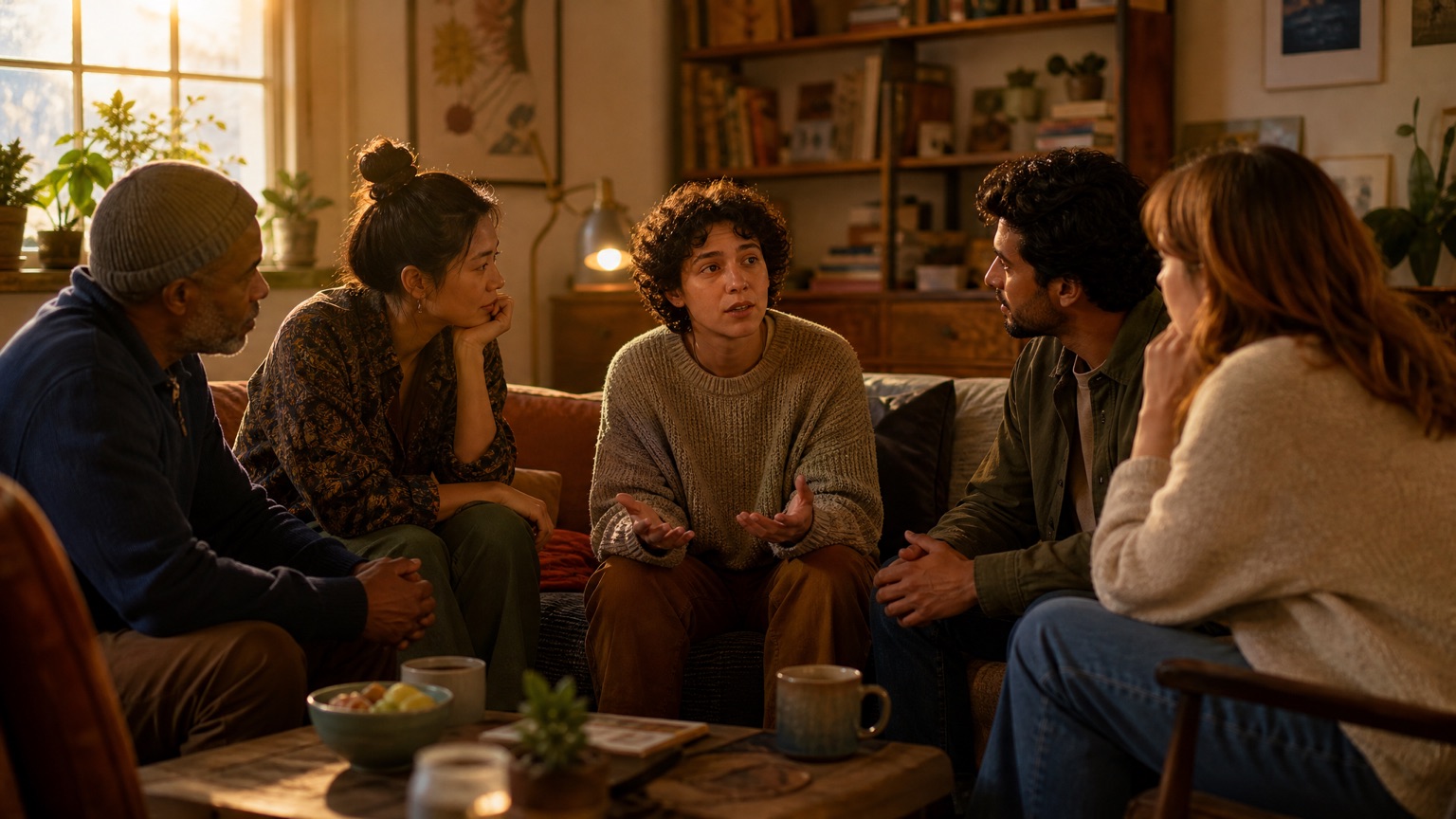

In today’s coaching landscape, leadership, business, and strategic coaches often collaborate in multi-coach teams to address complex client needs. While collaboration enriches coaching perspectives, it also presents challenges in maintaining coordination, consistent client engagement, and cumulative progress tracking. This is where innovative technologies like collaborative coaching Avatars step in, enabling teams to scale personalized coaching support without sacrificing depth or trust in client relationships. For coaches seeking smarter ways to optimize workflows and enhance team coaching outcomes, understanding multi-coach Avatar models is critical.
Understanding Collaborative Coaching AI Avatars
Collaborative coaching Avatars are specialized Avatars designed to support coaches working in teams. Unlike general-purpose AI, these Avatars are built for coaching outcomes, grounded in licensed Foundation Content and the coach’s own expertise, and configured to maintain continuity across client sessions—amplifying the human coach’s impact.
What Are Multi-Coach AI Avatar Models?
Multi-coach Avatar models facilitate a shared digital environment where several coaches within an organization or coaching practice can collaboratively engage with clients through Avatars. Each Avatar reflects the collective expertise of the team or distinct coaching specializations, enabling unified, yet personalized, support.
How Coaching Avatar Collaboration Works
In a team coaching setting, separate Avatars can be assigned to varying coaching roles—for example, leadership development, performance enhancement, or strategic planning. These Avatars communicate asynchronously with clients, track conversation history, and generate insightful reflection prompts based on coaching input from multiple coach-administrators. Collaboration also means that each coach can review their Avatar’s interactions independently while respecting privacy boundaries, fostering streamlined and efficient multi-coach workflows without overlap or confusion.
Practical Use Cases for Team Coaching AI Avatars
Use Case 1: Scaling Leadership Development Across Departments
Consider a leadership coaching firm supporting a multinational corporation’s executive team. Multiple coaches specializing in executive presence, communication skills, and strategic thinking collaborate through tailored Avatars. These Avatars conduct between-session follow-ups, provide personalized reflection prompts, and keep track of each executive’s progress, ensuring coaching is continuous and aligned with organizational goals. This multi-coach Avatar model lets coaches extend personalized support at scale while preserving the nuance of individualized leadership development.
Use Case 2: Coordinated Business Coaching in a Consulting Practice
A consulting team focused on business transformation uses collaborative coaching Avatars to manage client portfolios spanning different industries and functions. One coach’s Avatar delivers operational optimization insights, another addresses cultural change management, while a third focuses on talent development. By pooling expert-led AI coaching content and insights into a unified Avatar environment, clients benefit from holistic coaching that respects the complex realities of their business context and avoids fragmented guidance.
Use Case 3: Executive Coaching Teams Supporting High-Stakes Projects
In scenarios where executive coaching teams support leaders navigating critical initiatives, collaboration between coaches through Avatars enables continuous progress monitoring and adaptive coaching strategies. AI-powered continuity keeps notes, tracks sentiment, and suggests next steps based on real-time interaction data. Coaches stay connected through shared reporting dashboards, allowing them to synchronize feedback and ensure accountability without redundant manual communication.
Use Case 4: Coaching Businesses Offering Specialized Expertise
Coaching organizations with niche specialties—such as diversity and inclusion, innovation, or resilience—can deploy multi-coach Avatars to represent each expertise area. Clients can interact with Avatars specializing in different dimensions of professional growth, receiving expert-led coaching informed by the latest frameworks specific to those domains. This collaboration model cultivates a rich coaching environment where each client’s support stays relevant to them despite the breadth of expertise involved.
Benefits and Limitations of Coaching Avatar Collaboration
Benefits
Scalability and Consistency: Collaborative coaching Avatars enable teams to deliver consistent, high-quality coaching at scale, ensuring no client feels overlooked and coaching continuity is maintained across sessions and coaches.
Efficiency and Workflow Optimization: By automating between-session support and progress tracking, Avatars reduce administrative burden and free coaches to focus on high-value human interactions.
Relevance to Each Client: Drawing on the Tetrahedral Relationship™ (Coach, Client, Context and Content) and expert-led content, multi-coach Avatars tailor coaching strategies dynamically, reflecting the latest insights from multiple coaches.
Clear Privacy Boundaries: Avatar administrators have access only to their specific Avatar’s interactions, supporting confidentiality and compliance in multi-coach arrangements.
Limitations
Complex Onboarding Requirements: Setting up collaborative Avatar systems requires thoughtful configuration and technical onboarding, which may demand time and resources from coaches, especially smaller practices.
Dependency on Digital Literacy: Coaches and clients must be comfortable interacting with AI, which may represent a learning curve for those new to technology-assisted coaching.
Limited Emotional Nuance: While Avatars excel at structured coaching logic and continuity, they cannot fully replicate the rich emotional intelligence and spontaneous intuition of human coaches.
Necessity for Ongoing Oversight: To maintain quality and alignment, coaches must actively manage Avatar content and interactions, preventing drift from intended coaching frameworks.
Integrating Collaborative Coaching AI Avatars Into Practice
Best Practices for Multi-Coach Teams
Establish clear roles and responsibilities for each coach within the Avatar ecosystem, ensuring that Avatars reflect expert knowledge aligned with specific coaching functions. Maintain regular team coordination to review data-driven insights generated by Avatars, and use reflection prompts to enrich client sessions.
Privacy and Data Security Considerations
It is essential to understand privacy policies and data handling practices governing Avatars. For instance, Personal Data Security When Using AI Coaching Avatars: What Coaches Must Know provides important context on data protection and data rights, which apply equally in multi-coach environments. Ensuring transparent communication with clients around data use builds trust and safeguards coaching integrity.
FAQ: Collaborative Coaching AI Avatar Models
Can multiple coaches edit or control the same Avatar?
Typically, Avatars are managed by designated administrators or coaches with defined roles. While collaboration happens through shared insights and structured content, direct editing or control is limited to preserve data integrity and avoid conflicting interactions.
How do Avatars maintain continuity across multiple coaches?
Coaching Avatars maintain session history, notes, and client context through built-in continuity features, aggregating insights from all coach administrators. This ensures a cohesive coaching journey that respects previous interactions and progress.
Are coaching Avatars compliant with data protection regulations?
We are GDPR compliant today. Our information-security practices are being built to SOC 2 Type 2 standards. We have begun working towards ISO 27001: we are learning the standard and in discussions with implementers and auditors. Neither certification is held today. Privacy policies define how conversations and metadata are handled, especially important when users interact with multiple Avatars.
How personalized can multi-coach Avatars be?
Avatars use expert-led content, the Tetrahedral Relationship™, and configurable coaching frameworks tailored by each coach. This allows highly personalized coaching experiences that reflect the combined expertise of the multi-coach team.
Do Avatars replace human coaches in collaborative models?
No. Avatars extend human coaching expertise by managing routine follow-ups, tracking progress, and supporting reflection. They complement rather than replace human coaches, ensuring trust and relationship depth remain central.
Conclusion: Collaborative Coaching Avatars
Collaborative coaching Avatars give leadership and strategic coaches a way to scale their impact within multi-coach teams. By integrating multi-coach Avatar models, coaching businesses and organizations can deliver personalized, consistent, and efficient support that deepens client engagement and accelerates professional growth. While not without challenges, the balanced adoption of these AI-driven tools—built specifically to support coaching outcomes—lets coaches expand their reach without compromising the essential human connection at the heart of effective coaching. Collaborative coaching Avatars fit coaching teams dedicated to excellence and scalability.
Next Step
Get a free Tester Avatar by signing in at maxgood.work/login, or request a demo.